Streamlining Tourist Experiences with an Efficient Management System
Started October 2022 - Ended February 2023
HTML5
CSS3
Bootstrap
JavaScript
jQuery
PHP
SQL
XAMPP
Hostinger
Visual Studio Code
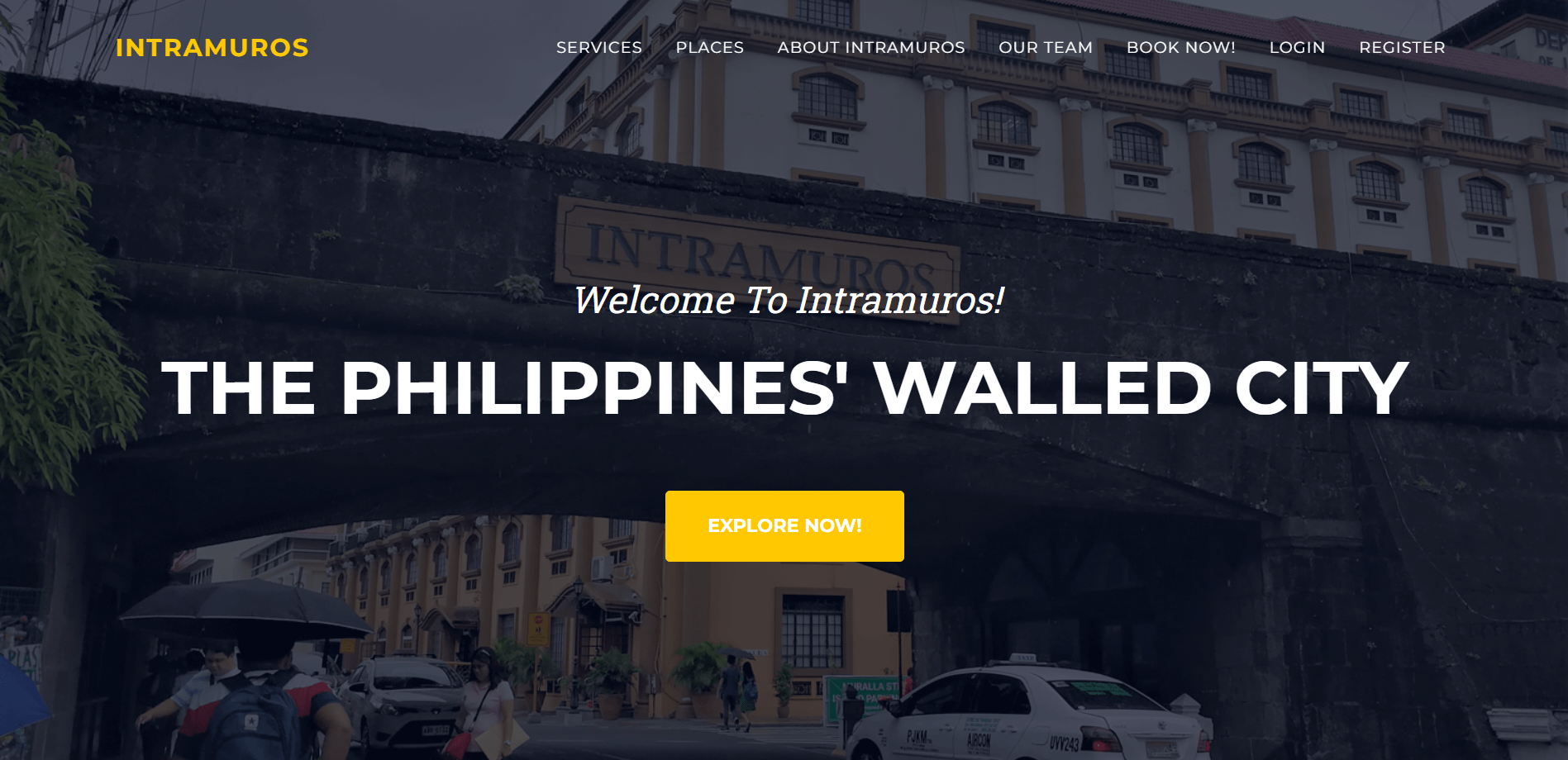
Featuring Intramuros as a highlighted destination this project was developed to streamline visitor experiences and enhance engagement with local attractions. Experience seamless navigation and essential services tailored for travelers!
Introduction
The Tourist Management System was the first website I built alongside a small team, and it played a significant role in shaping my foundation as a web developer. We focused on creating a user-friendly platform that made it easier to manage tourism activities, with Intramuros being the highlight. I took on the role of team leader, which taught me how to guide a project from start to finish, ensuring everything stayed on track. This project introduced me to key concepts and technologies like HTML5, CSS3, JavaScript, PHP, SQL, and Bootstrap, which we used to make the development process smoother and more efficient.
Objectives
The goal of the project was to develop a platform that would help improve how tourists engage with Intramuros and other attractions. We wanted to make it easy for visitors to find the information they needed, explore the site smoothly, and make bookings or inquiries when necessary. A core feature of the system was implementing Role-Based Access Control, allowing us to handle different types of users securely. On the backend, we also prioritized the use of a database to store and manage data effectively. Overall, the system aimed to improve the tourism experience with clear information and simple navigation.
Technologies Used
To bring this project to life, we worked with a variety of tools and technologies. HTML5 allowed us to structure the content in a clean, semantic way, while CSS3 helped style the pages to ensure the design was responsive and visually appealing. We used Bootstrap to speed up development by utilizing pre-built components, which made the site more consistent across devices. JavaScript and jQuery were crucial for adding interactivity, and PHP handled server-side logic. On the data side, we worked with SQL using MySQL to manage the database. We tested everything on XAMPP, tracked progress with Jira, and used Git for version control. Once it was ready, we hosted it on Hostinger.
Skills Learned and Demonstrated
This project was packed with learning opportunities. One of the biggest lessons was understanding Role-Based Access Control (RBAC), which we used to manage user permissions and enhance security. I also learned the importance of Database Normalization to keep data organized and reduce redundancy, making it easier to maintain and scale the system. We integrated REST APIs, which improved the communication between the frontend and backend. Through this project, I also improved my skills in Responsive Web Design, ensuring the site worked well on any device. Additionally, it gave me a solid understanding of the Software Development Life Cycle and honed my abilities as a Full Stack Developer. Managing the database for this project also strengthened my skills in Database Administration.
Conclusion
The Tourist Management System was more than just a project; it was a formative experience that helped me solidify the fundamentals of web development. It was my first time using technologies like HTML5, CSS3, JavaScript, PHP, and SQL in a real-world application. It also gave me the opportunity to lead a team, manage a project from start to finish, and ensure that our solution was both functional and user-friendly. The skills I gained, like database management and role-based access, have been incredibly valuable in my career, and this project continues to be a cornerstone of my development journey.
Gallery
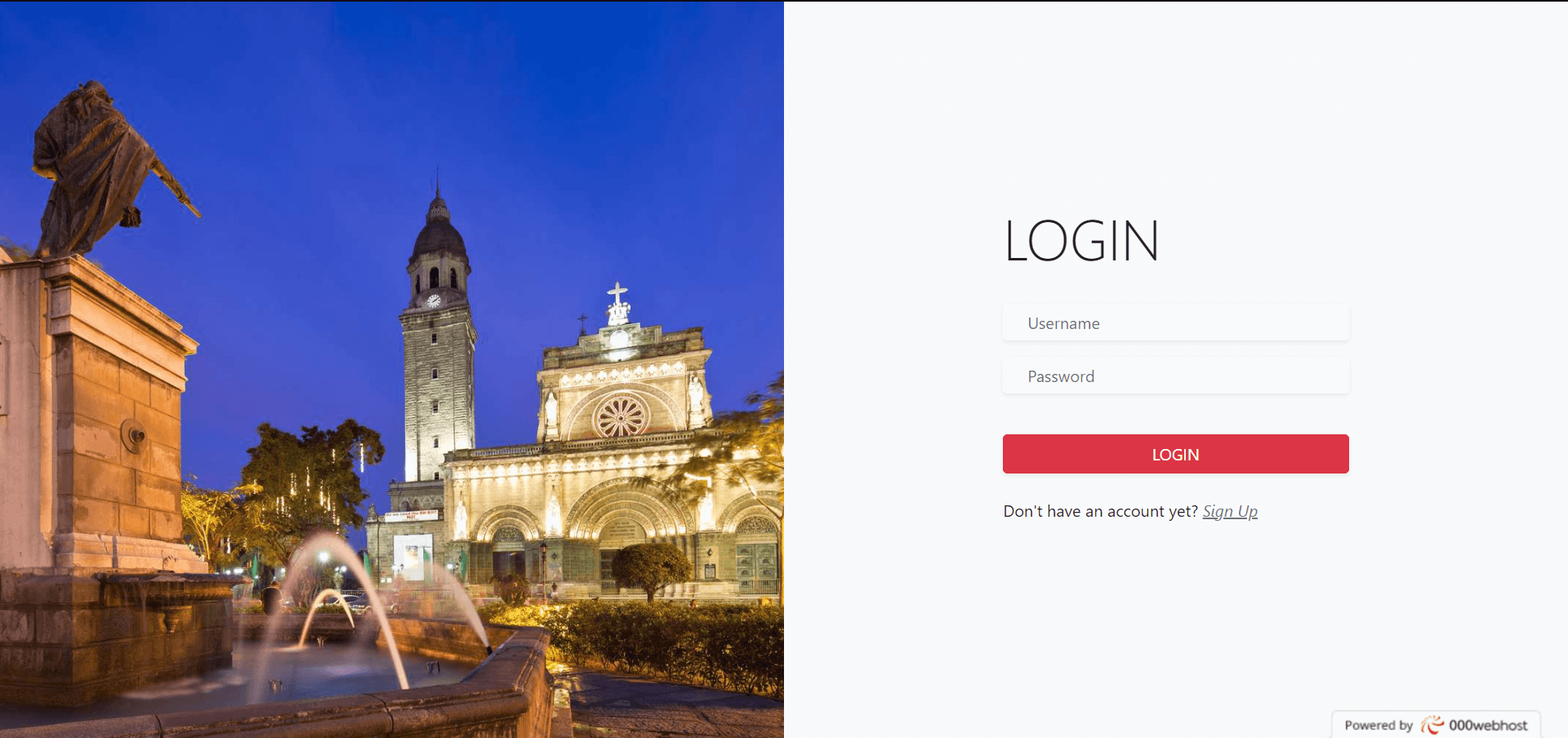
Login page where users and administrators securely access the system.
 HTML5
HTML5 CSS3
CSS3 Bootstrap
 JavaScript
 jQuery
 PHP
PHP SQL
SQL XAMPP
XAMPP Hostinger
 Visual Studio Code